
The Story
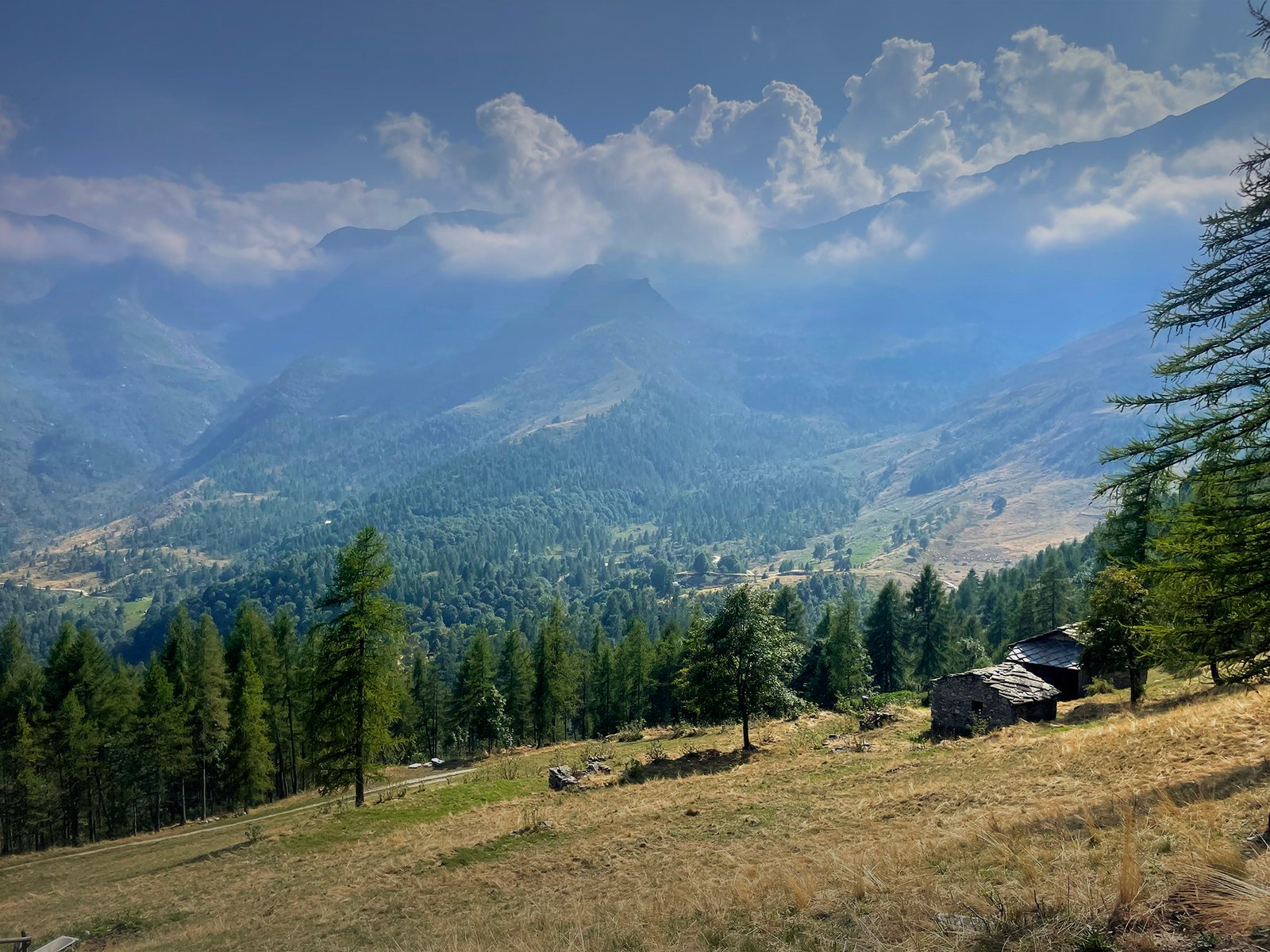
Stone Oven House did not begin as a finished project, nor as an attempt to create an unusual hotel.
This house took shape from treasures gathered piece by piece.
Sergey Balovin and Claudia Beccato arrived in Val Pellice carrying their own histories and experience. Behind them were life in Shanghai, years of travelling, dozens of countries, hundreds of remarkable encounters and discoveries. Yet, as it turned out, even more was waiting to be discovered here.
In Rorà, unexpected echoes emerged between the centuries-old history of this place and their own search for freedom and harmony. The old farmstead already held the memory of an artist who had once found refuge here. And for centuries, the village and the surrounding mountains had offered shelter to people for whom freedom, knowledge and simplicity mattered more than security and outward prosperity.
The slow restoration gradually revealed the significance of every stone, every old board and every hand-forged nail.
Today, the value of Stone Oven House is difficult to reduce to the cost of its interiors, the size of its rooms or a list of amenities.
It accumulated piece by piece — through found objects, gifts brought from different countries, works of art, people’s stories and human connections. Years of travel also shaped Sergey and Claudia’s own idea of what a home should be for someone arriving from far away.
That is why the
story of this place
cannot be told along
a single line.
Rorà & Val Pellice
A place where freedom has sought refuge for centuries.
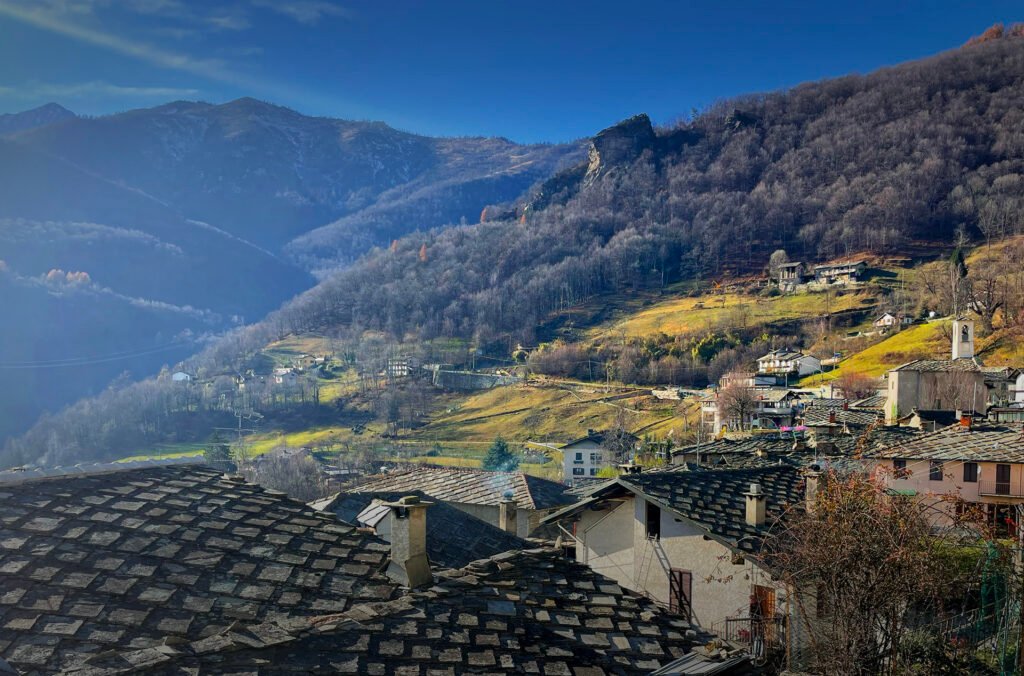
Rorà turned out to be more than a beautiful village in the Alps. Again and again, its history returns to themes that would later echo in the story of Stone Oven House: freedom, simplicity, knowledge, independence and a willingness to share.
Waldensian communities found protection in these mountains, surviving persecution, exile and return. During the Second World War, residents of Rorà sheltered Jewish families. Decades later, people in need of a safe temporary home once again found one here.
The history of the valley does not explain the origins of Stone Oven House entirely — the project has its own, very different prehistory. But it was here that unexpected echoes became especially clear between the past of this place and the searches that had brought the creators of the house here.
The House
An old stone house, reimagined without losing its historic proportions.
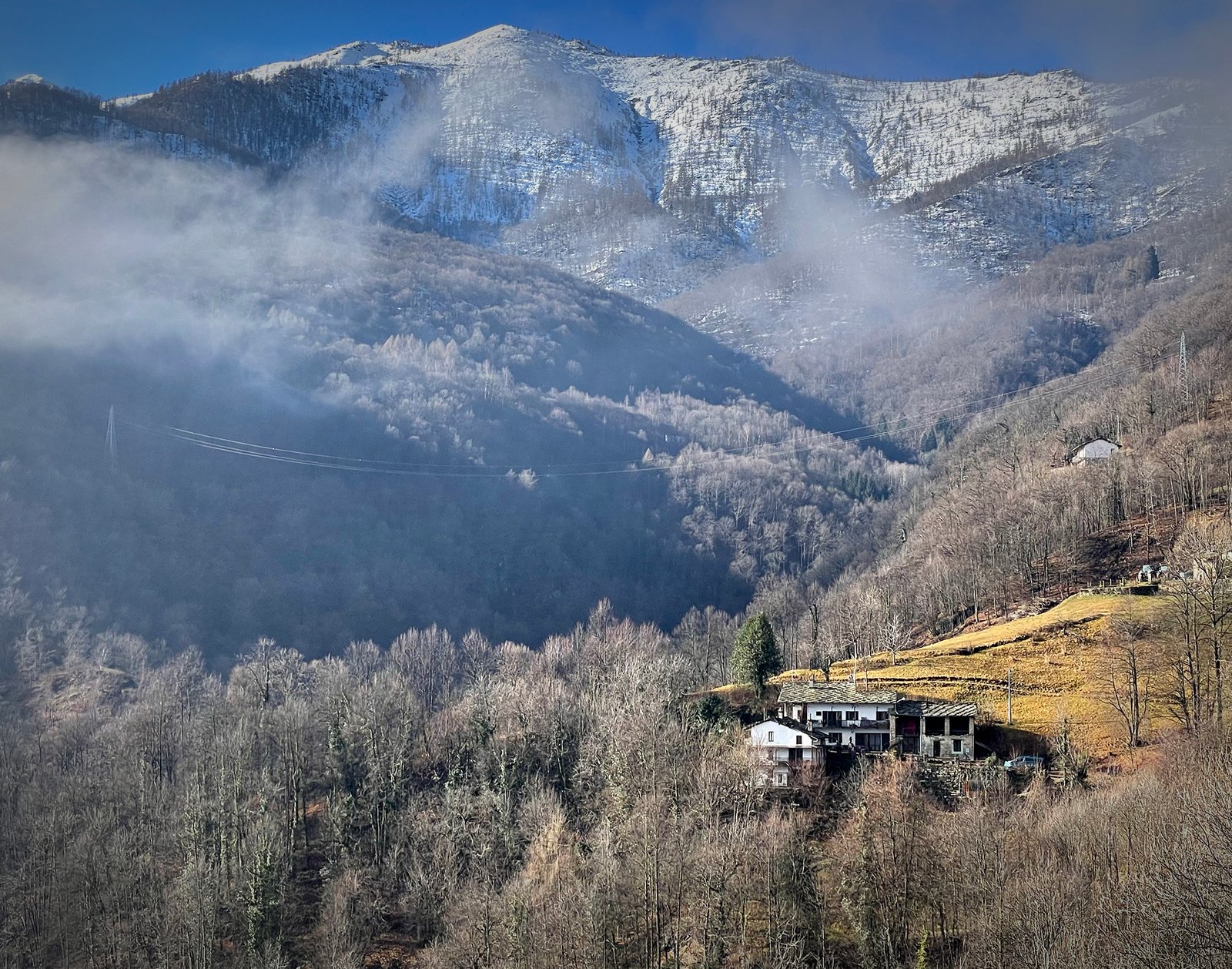
Vernarèa changed over many generations, yet retained the scale of a true mountain dwelling: compact rooms, low ceilings, thick stone walls, massive beams and openings shaped during different periods of the house’s life.
During the restoration, these characteristics are not corrected or hidden. On the contrary, they set the rules for working with the space. Old boards from the hayloft become furniture and partitions, objects found in the house take on new functions, and contemporary comfort is fitted into the existing proportions without destroying them.
Limited space demands precision. From this comes a particular ergonomics of the interior: every centimetre has to be considered, and compactness becomes not a drawback but a principle of organisation.
The restoration does not return the house to the past. It allows it to continue living while preserving what makes it itself.
The Ongoing Experiment
Stone Oven House began long before it had a permanent address.
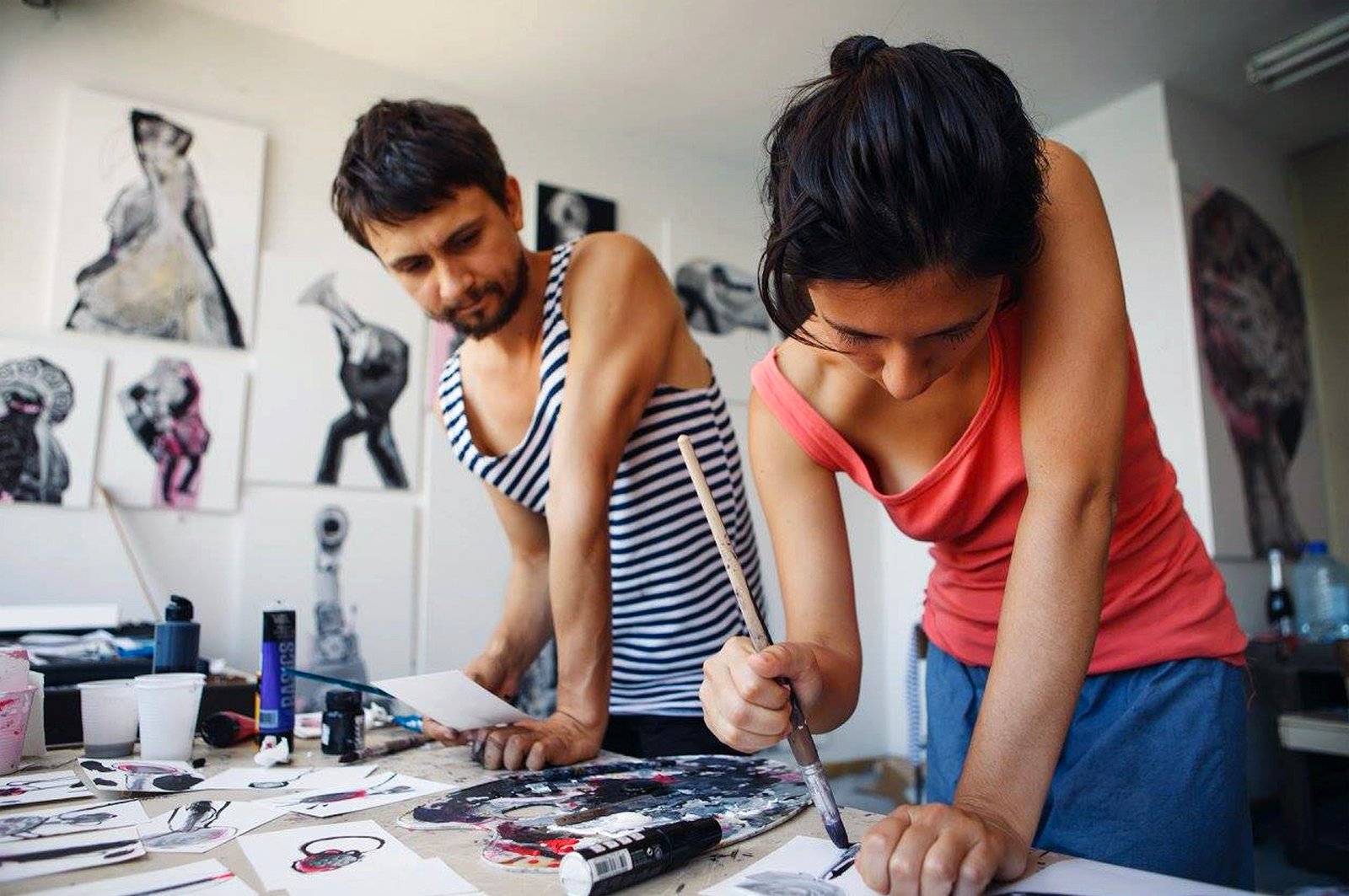
The story begins with Sergey Balovin’s move to Shanghai — and a chain of chance encounters and coincidences that would lead him to an unusual artistic experiment, In Kind Exchange.
What began almost as a game would lead the artist to spend years living without money, set off on a round-the-world journey, and then continue travelling the world, paying his way with drawings and turning exchange into an exploration of freedom, trust and hospitality.
It was this continuing journey that brought Sergey to Italy, where he met Claudia Beccato, his future wife and collaborator. Together they would open the next chapter of the experiment — no longer on the road, but in the old Vernarèa farmstead in the Italian Alps.