Rorà & Val Pellice
A landscape that is still inhabited
Rorà and Val Pellice are not preserved behind glass.
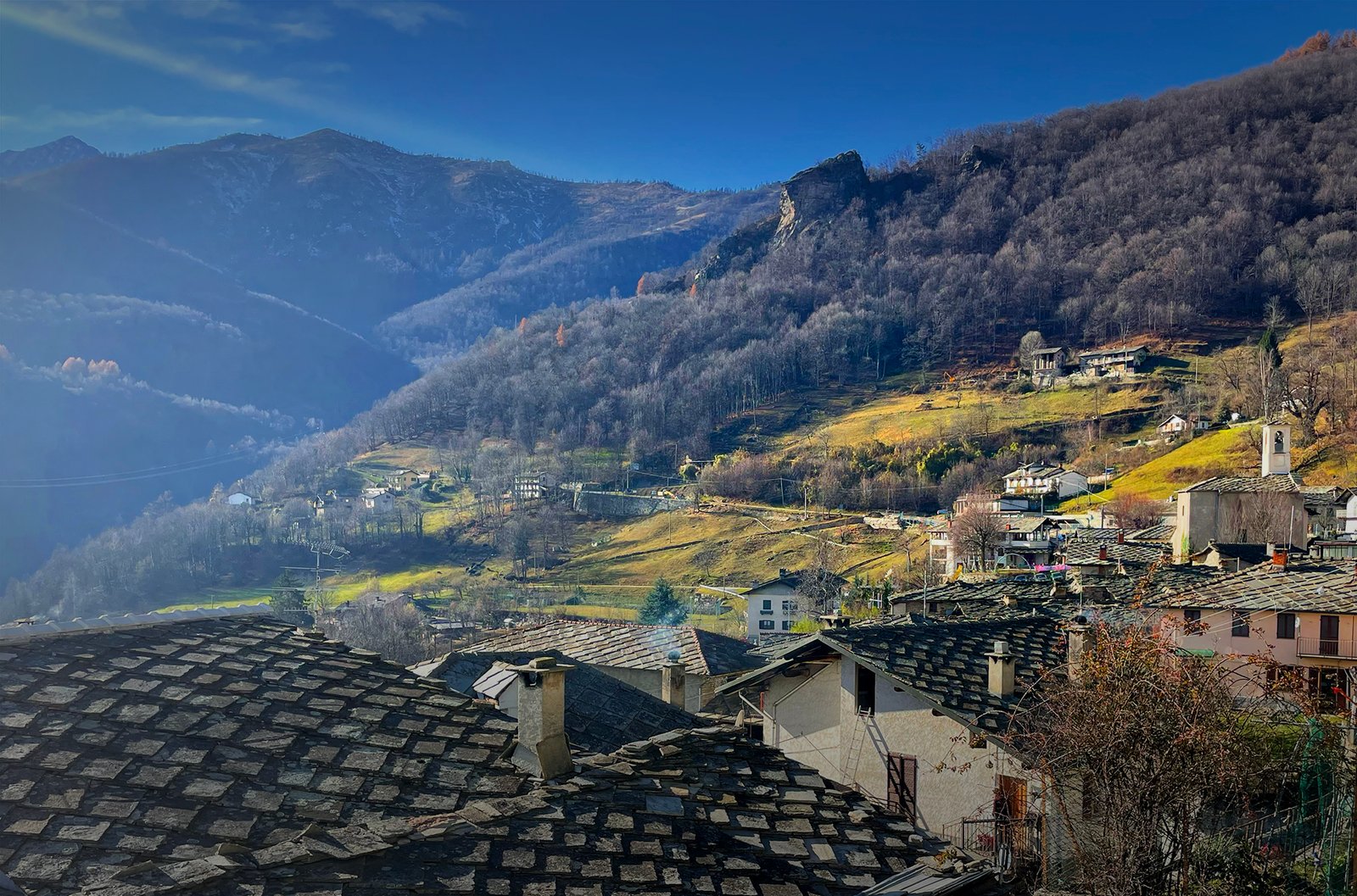
Quarries still operate. Paths still connect villages, farms and high pastures. Waldensian temples, Catholic churches, museums, working houses and abandoned buildings occupy the same landscape.
Torre Pellice, lower in the valley, is home to the principal Waldensian cultural institutions. Rorà has its own museum devoted to village life, work and local memory. The region can be explored through historical paths, quarry routes, mountain trails and the ordinary architecture of settlements that were never designed for tourism.
A valley with a long memory
Stone Oven House makes more sense once you understand the valley around it.
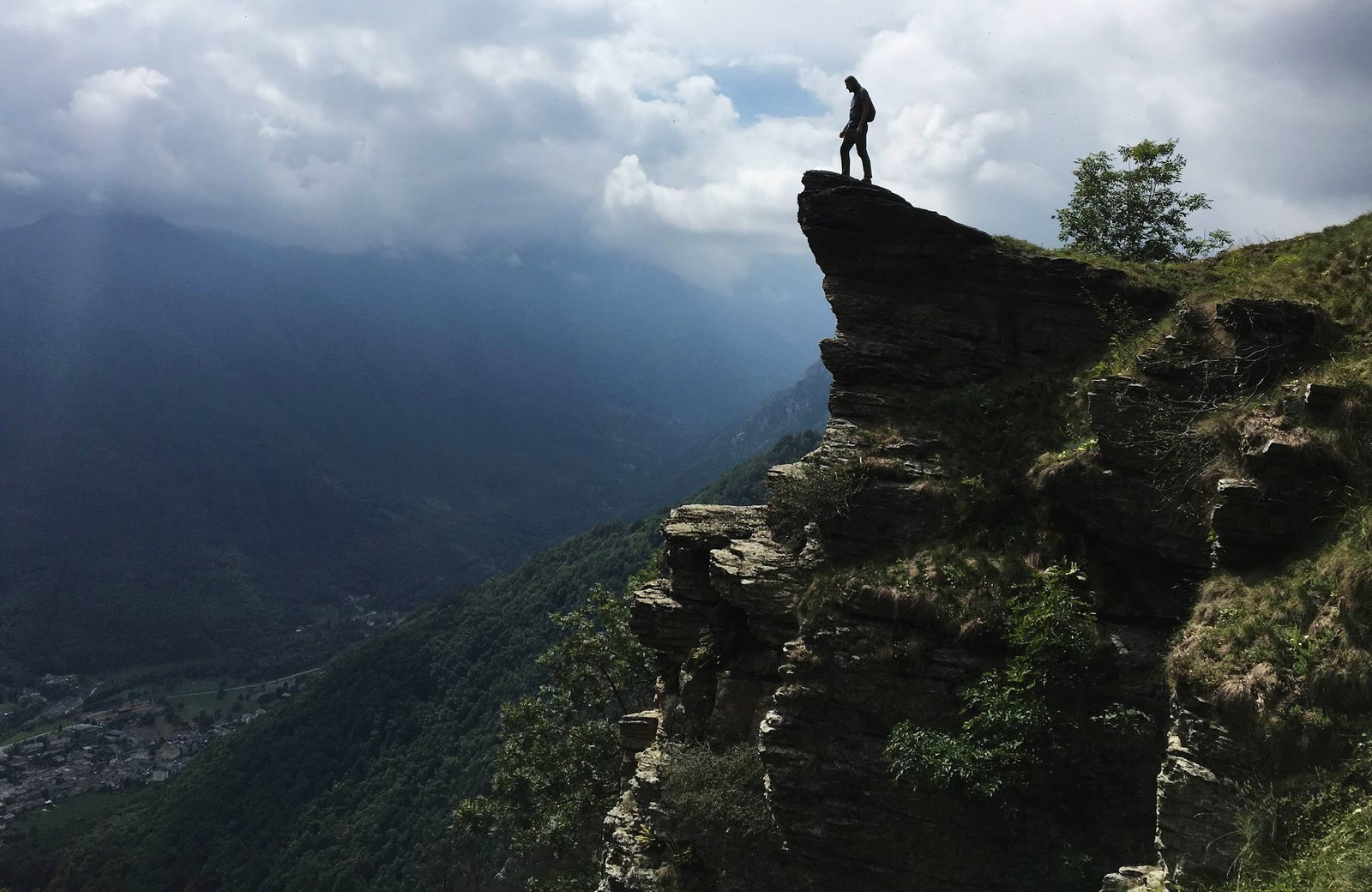
Stone appears everywhere: in roofs and walls, field boundaries, fountains, terraces and abandoned agricultural buildings. The local pietra di Luserna later became the basis of an important quarrying industry, but stone had structured life here long before extraction became organised on an industrial scale. Archival records document the growing importance of the quarries during the nineteenth century.
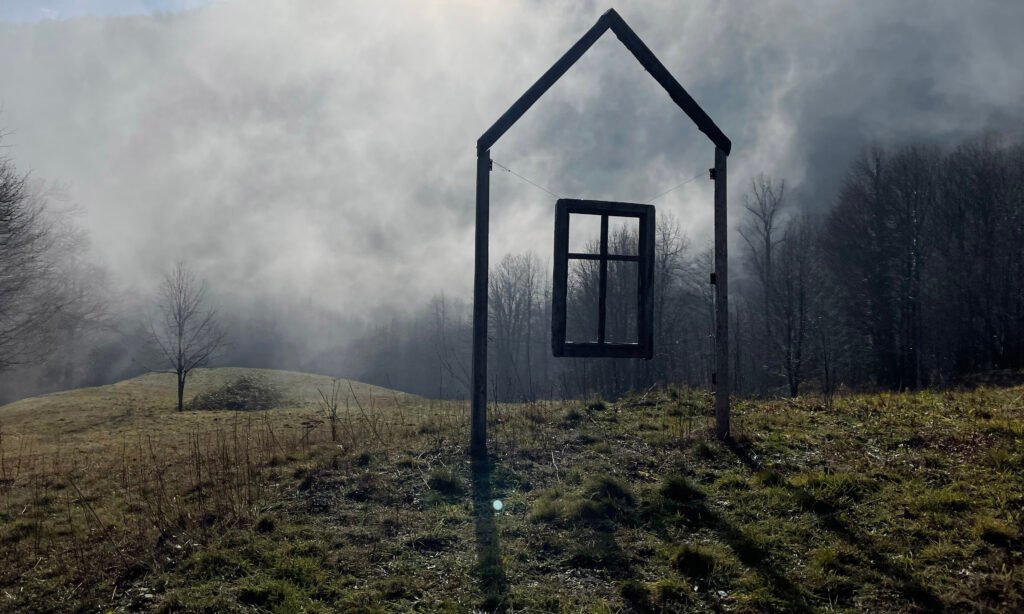
The same historical record places a chapel dedicated to San Nicolao in the Vernarèa area. Historians have suggested that the grassy spur around the chapel may have held the earliest settlement of Rorà, before the village developed around its present centre.
By the fourteenth century, the church of San Nicolao is documented as a dependency of the priory of San Giovanni del Perno in Luserna. It was later destroyed during the burning of Rorà in 1561 and was not rebuilt on the same site.
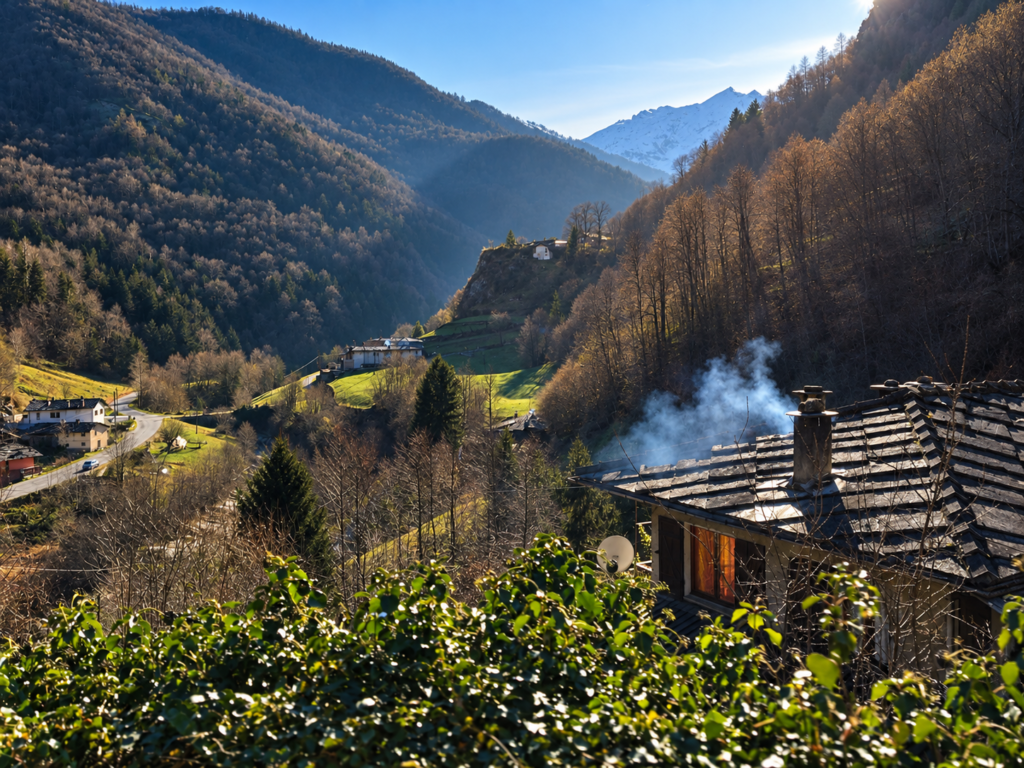
Stone Oven House stands within this historic area.
That does not mean the present building can be dated directly to the thirteenth century. Its surviving walls were built and altered in different periods. What can be said is that the house occupies one of the oldest documented parts of Rorà, beside a site connected with the medieval origins of the community.
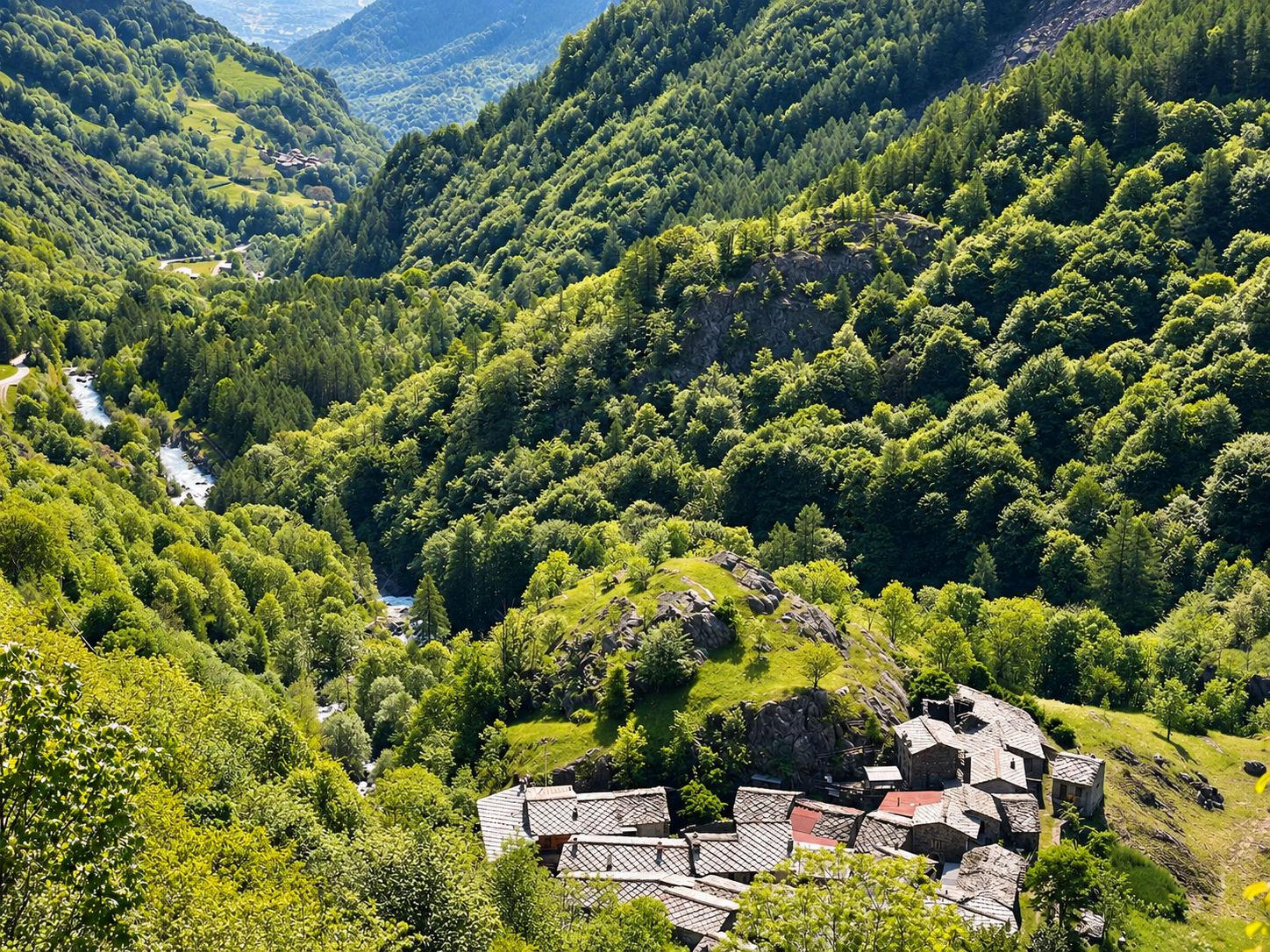
The Waldensian valleys
Val Pellice is one of the historic Waldensian valleys.
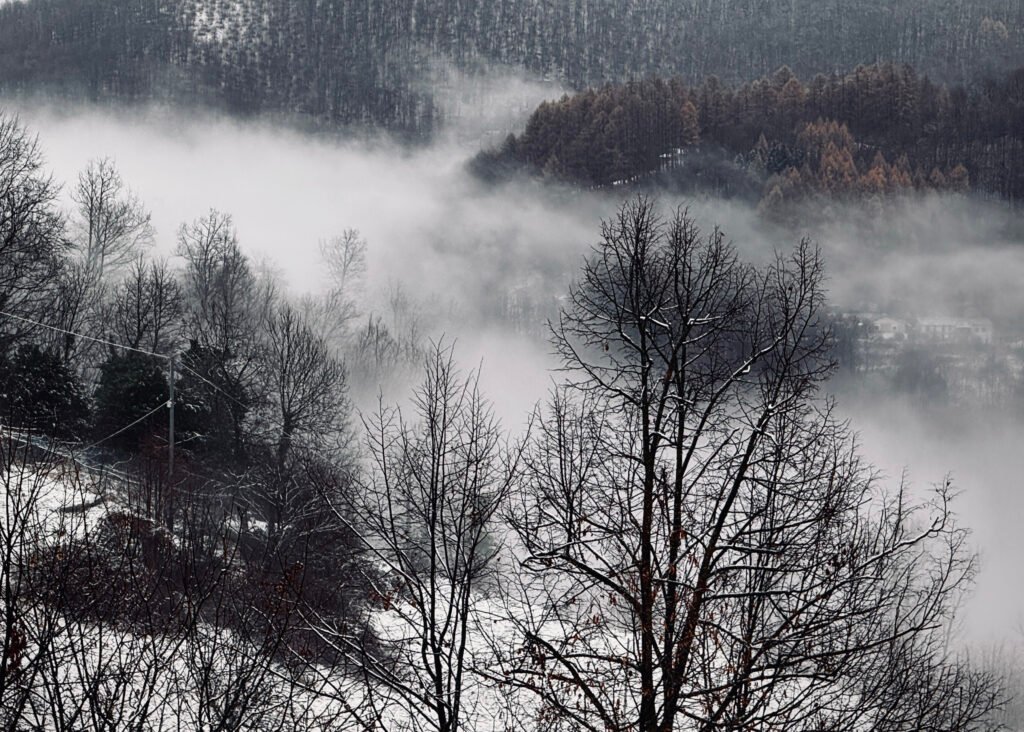
This history did not produce one simple local identity. It created a culture shaped by questions that returned repeatedly: the right to remain, freedom of conscience, the responsibility of a community towards those under threat, and the uneasy relationship between isolation and openness.
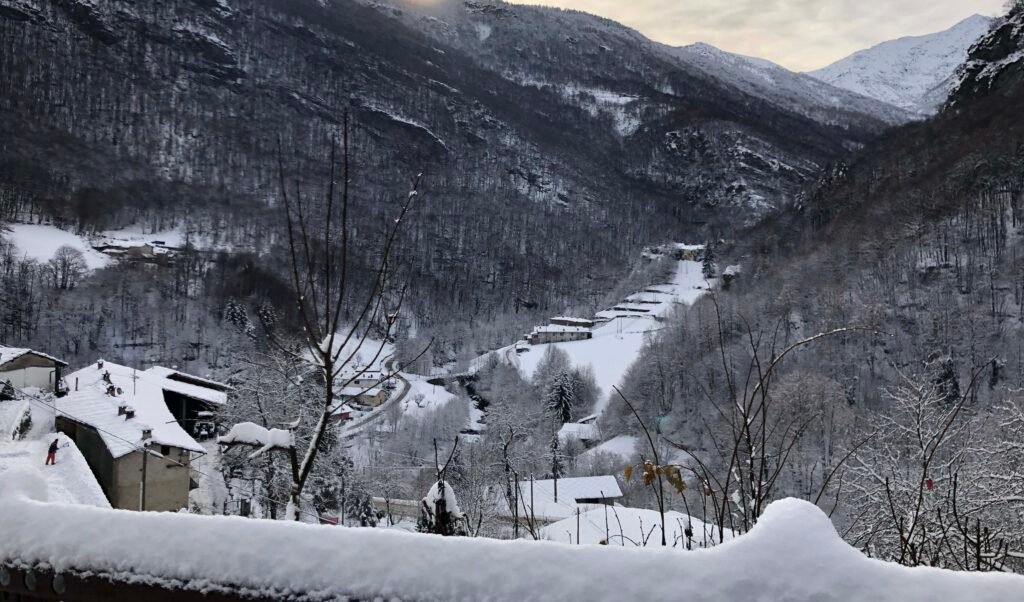
As Savoy forces entered Val Pellice, the inhabitants of Rorà, led by the farmer and resistance commander Giosuè Gianavello, repeatedly repelled much larger forces approaching through terrain they knew intimately.
The resistance could not continue indefinitely. The village was eventually overwhelmed, homes and fields were destroyed, and inhabitants were killed or captured. Gianavello escaped and continued the Waldensian resistance from exile.
The story remains central to local memory not because it transforms Rorà into a heroic stage set, but because it shows how a very small community responded when its right to exist was placed under threat.
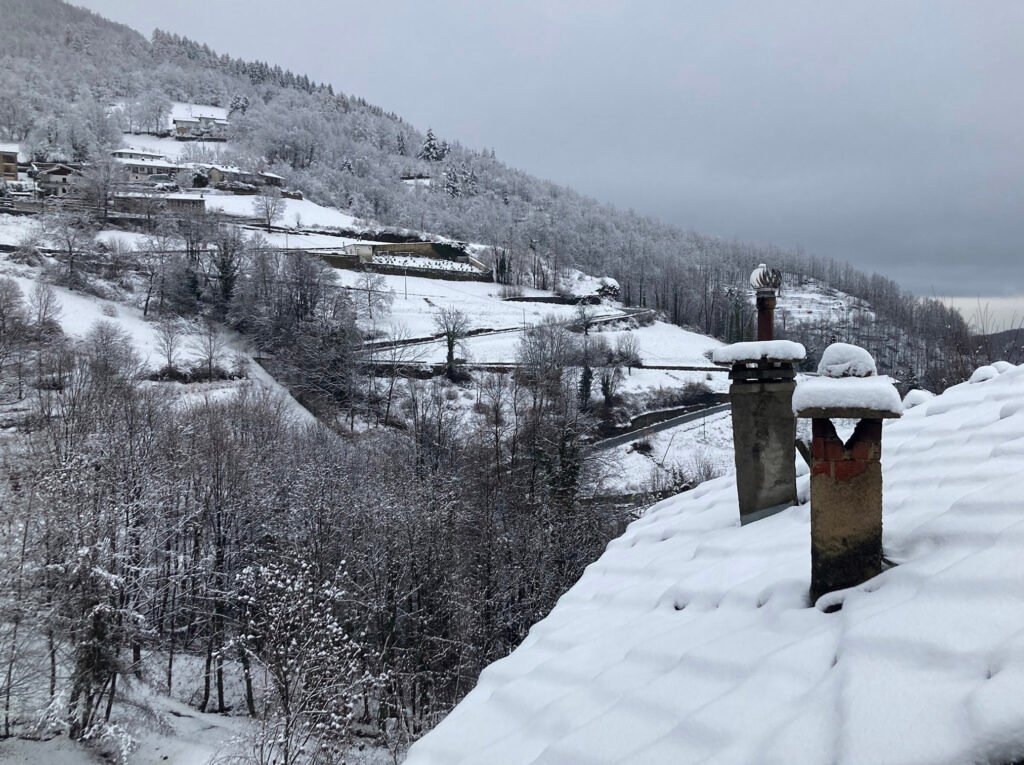
Families farmed steep land, kept animals, managed forests and built with the materials available around them. The compact structure of the village and its houses was a response to climate, limited resources and the need to use every workable piece of ground.
Quarrying gradually became increasingly important. The local gneiss known as pietra di Luserna was used for roofs, stairs, floors and paving far beyond the valley. Its extraction changed the economy of Rorà and left visible marks on the landscape.
Work in the quarries was physically demanding and did not remove the economic pressures of mountain life. In the nineteenth century, many local families emigrated, including a significant group that left for Argentina in 1870.
Rorà has therefore never been a place untouched by the outside world. Its history has always involved movement: stone leaving the valley, people leaving and returning, ideas crossing borders, and communities adapting to forces much larger than themselves.
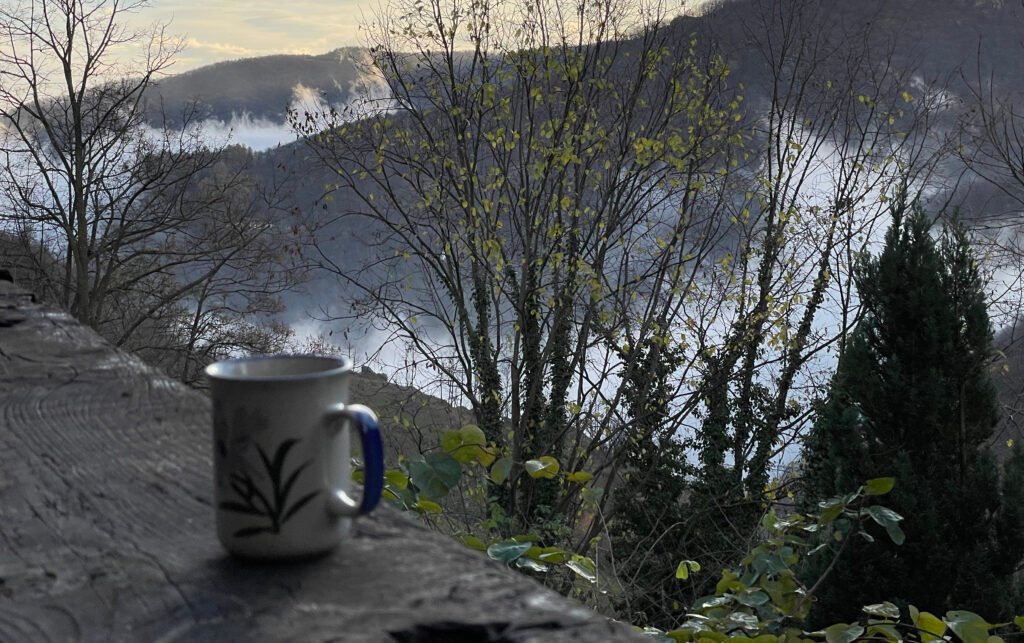
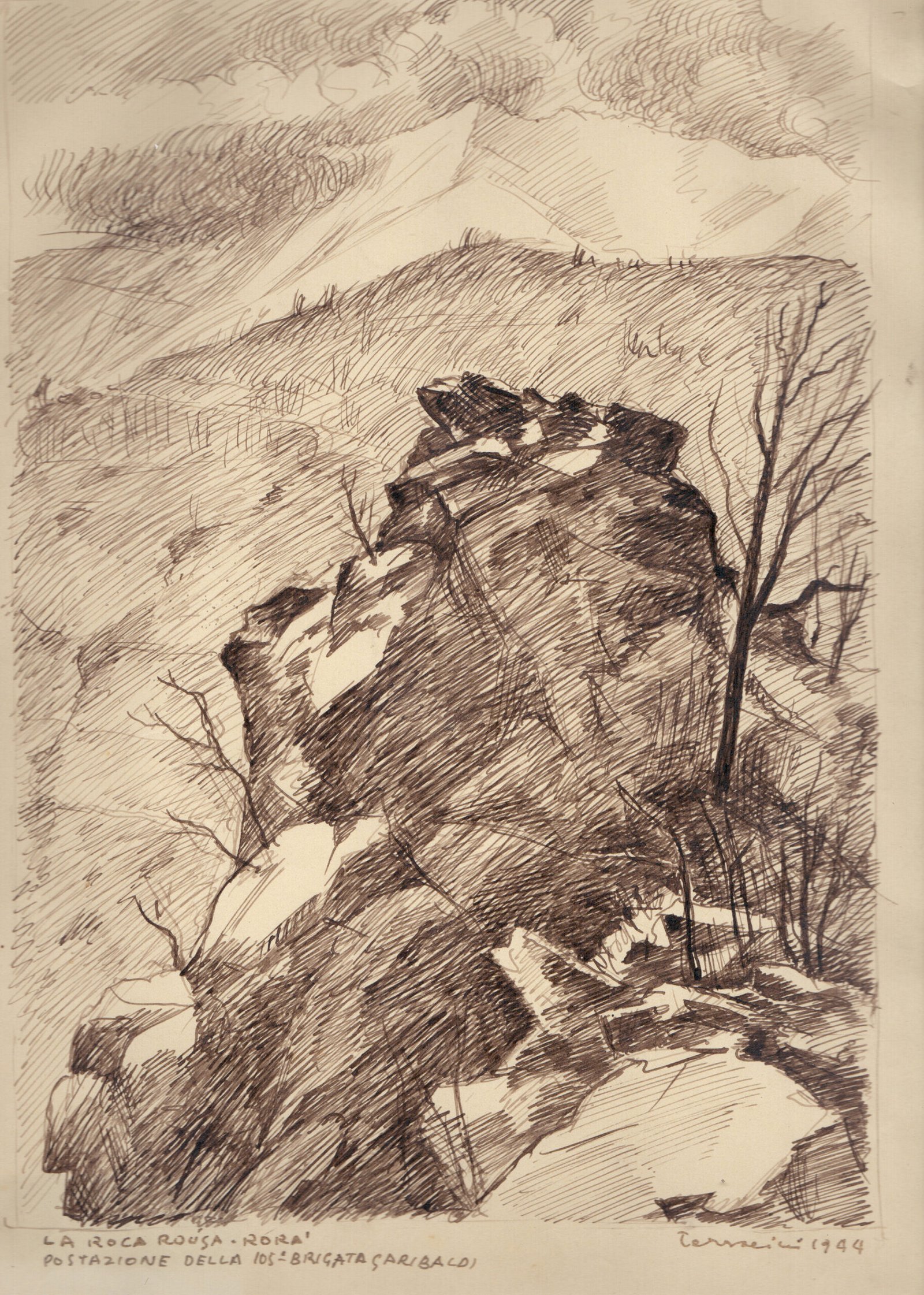
Several Jewish families from Turin were hidden and protected by local residents. Among them were the sculptor Roberto Terracini, his wife Adele and their daughter Lia.
The Terracini family lived under false identities in the farmstead known as Vernarèa — the building that is now Stone Oven House.
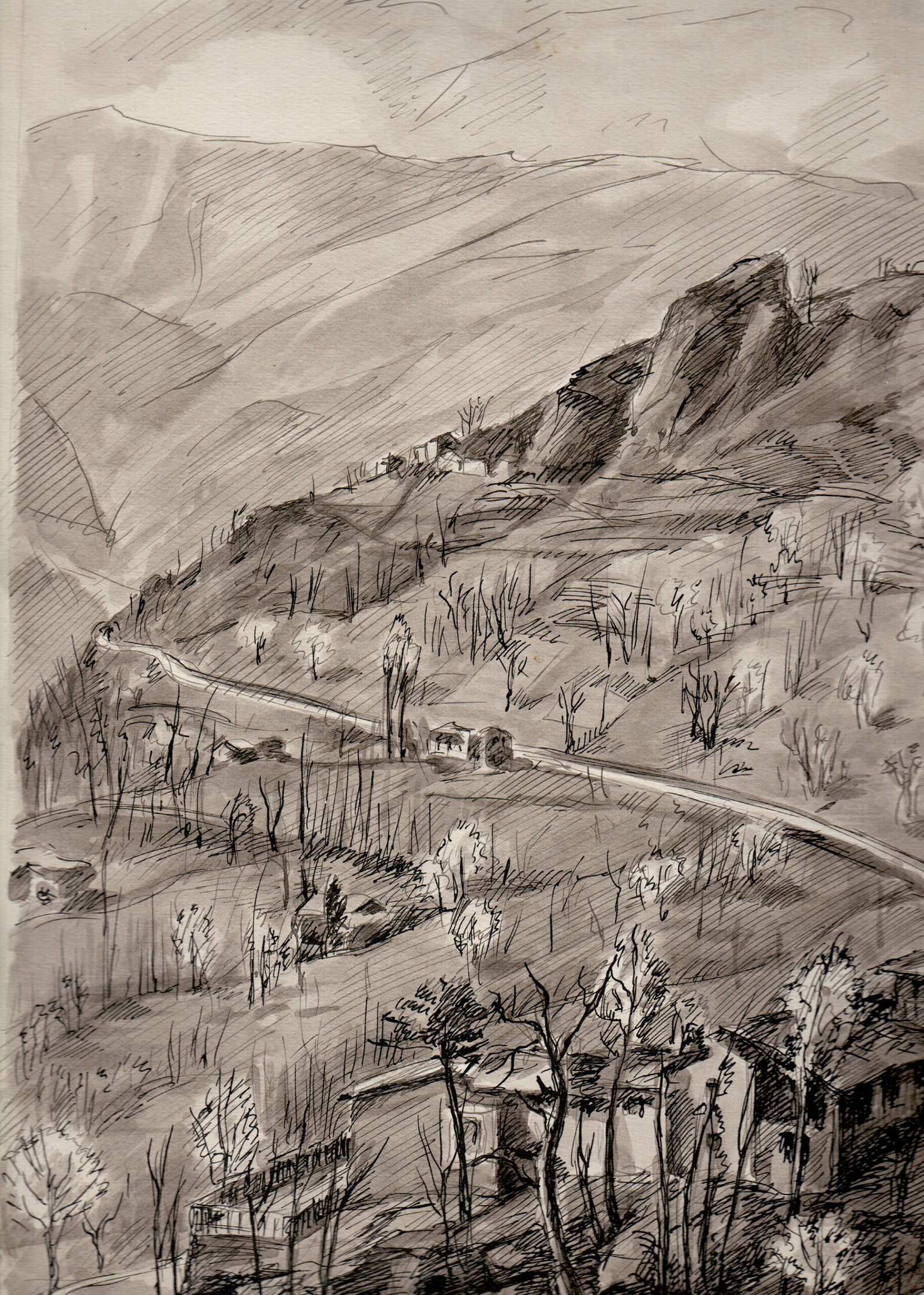
Terracini continued to draw while in hiding. His works recorded village life and members of the partisan resistance active in the valley. His family survived because the people around them protected their presence and refused to betray them.
This story belongs to the house, but it also belongs to Rorà. Vernarèa could serve as a refuge because it stood within a wider network of people willing to take responsibility for those who had arrived among them.